
New USDA Proposal Impacts Workers, Food Safety, Animals
Maximum Line Speed Would End
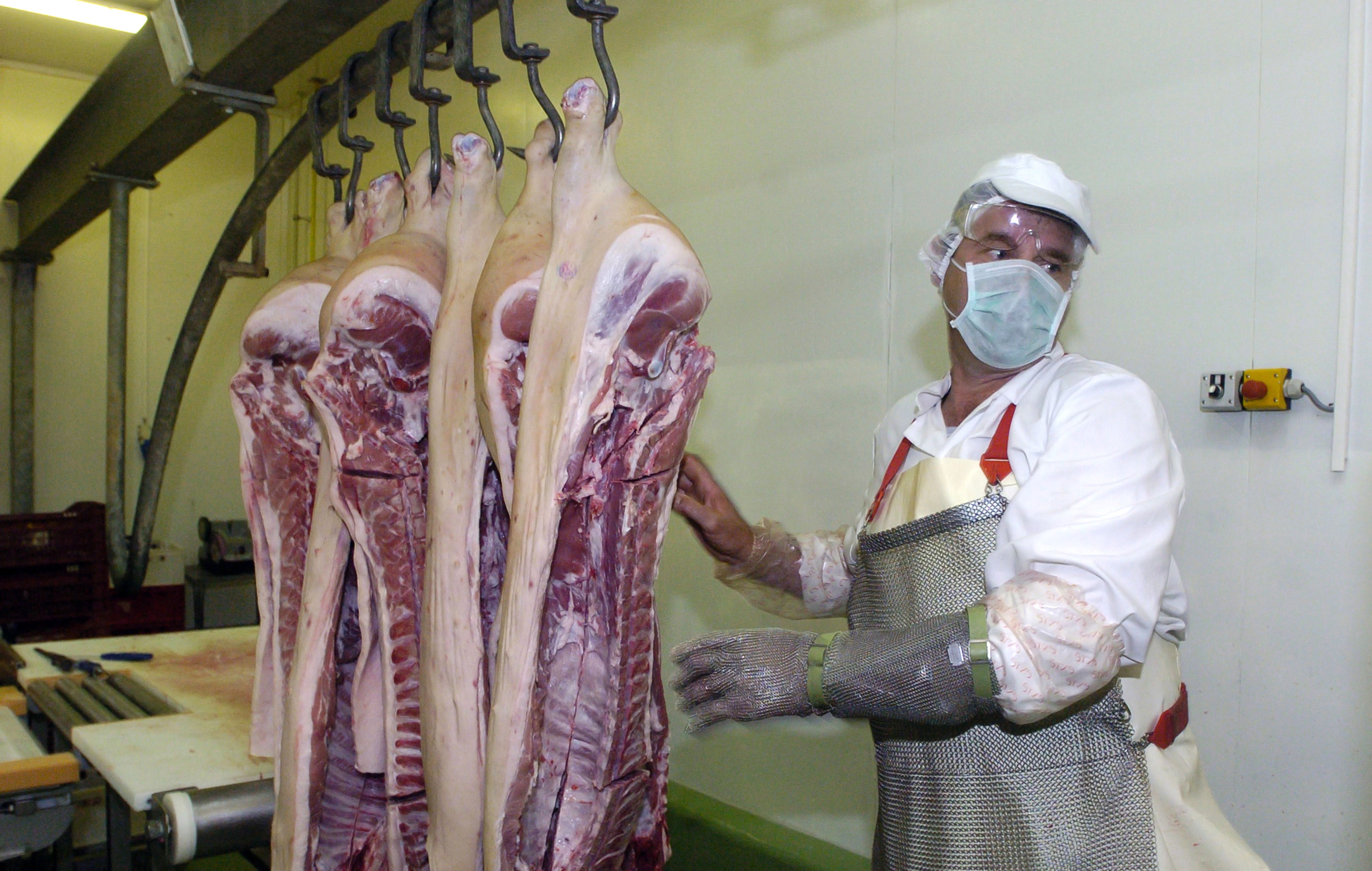
When the USDA implemented its new poultry and swine inspection systems last year, speeding slaughter to 140 birds per minute and 23 pigs a minute, few noticed. Nor have many noticed USDA’s current proposal to eliminate fixed maximum line speed altogether.
Why the attention embargo?
Certainly, no one wants to watch laws or sausages made but there is another factor: you can’t talk about US slaughterhouses without talking about illegal immigration as foreign born workers are slaughterhouse majorities.
Consider:
If someone is against illegal immigration, they don’t want to hear how much their hamburger or chicken tenders would cost without it.
If someone is for illegal immigration, they don’t want to know the jobs those they advocate for might be performing. (“They have kids in there wielding buzz saws and cleavers, said President Obama about a slaughterhouse in 2008.)

Whether illegal immigration, worker injuries, animal welfare, food safety/hygiene, air and water pollution or animal transmitted diseases like Covid, bird flu and African Swine Fever, slaughterhouse reporting is sparse. People don’t want to hear it because they lose their appetites; news outlets don’t want to report it because they lose their advertisers. Any more questions?
Still, we do know that few Americans want knocker, sticker, bleeder, tail ripper, flanker, gutter, sawer and plate boner slaughterhouse jobs and that US inmates released to work at slaughterhouses close to their prisons quit.
We do know Somali prayer rights at JBS Swift and Gold’n Plump slaughter plants have led to walkouts and firings and that the 2008 arrest of undocumented workers at the Agriprocessors slaughterhouse in Postville, Iowa, the biggest ICE raid of its time, affected 20 percent of the town’s population (also uncovering child laborers and an onsite meth lab).
We know the Smithfield Foods plant in Tar Heel, North Carolina, owned by a Chinese company, is the largest slaughterhouse in the world, provoking legislative battles about foreign ownership of ag concerns on US soil when it was proposed.
Why Does Slaughter Line Speeds Matter?
Kill speed exposes the rift between private meat companies and federal inspectors--the latter can stop slaughter line operations and affect plants’ bottom line at the drop of a hat. Lines can be stopped for worker safety, animal welfare and food safety risks.
In interviews about the inherent tension between owners and regulators, slaughterhouse inspectors have reported being ignored, mocked and openly defied. One federal inspector was so bullied at the Smithfield Tar Heel facility, she took her own life, sources recently told a reporter.
In March of 2022, 26 groups of poultry worker representatives, worker rights advocates, occupational safety experts, animal right advocates, consumer rights advocates and public and community health organizations wrote administrators at the USDA Food Safety and Inspection Service (FSIS) to object to proposed faster kills speeds on the basis of worker safety, food safety and animal welfare.
More than 6,500 hog plant workers, members of the United Food and Commercial Workers union International [UFCW] and its Locals also objected, filing a lawsuit in 2019 to stop the new system and its increased kill speeds. Marc Perrone, international president of the UFCW at the time, said faster line speeds would mean more worker injuries and potentially dangerous food.
In addition to worker injuries, an estimated one million birds a year at US slaughterhouses miss the kill line’s “stunner” and are boiled alive—a fact the poultry industry admits.
Will the USDA’s current proposal to eliminate fixed maximum line speed altogether to increase profits pass? Will worker injuries and animal suffering increase as reporting dwindles? Will federal inspectors continue to be powerless figureheads in our nation’s slaughterhouse? Is cheaper food worth it? END
Read more:
Covid in slaughterhouses
https://thetriallawyermagazine.com/2020/12/hotbeds-for-coronavirus/
Abuse of workers
https://www.counterpunch.org/2018/05/25/once-again-a-slaughterhouse-raid-turns-up-abuses/
Onsite diseases
https://www.counterpunch.org/2008/04/01/brain-mist-disease/
This article provides more valid and important information than the great majority of articles in the New York Times.